Imagine a dish so deeply comforting, so exquisitely layered with flavour and tradition, that it transcends mere food to become an experience. We’re talking, of course, about Lasagne – a culinary masterpiece that has graced Italian tables for centuries. Forget the bland, store-bought versions; today, we invite you on a journey to craft an authentic, premium Lasagne from scratch, a dish that sings with the soul of Italy and promises to become a cherished family favourite.
The Story Behind
While often associated with Bologna and its vibrant ‘Lasagne Verde’, the origins of Lasagne can be traced back to ancient Greece and Rome, where ‘laganum’ referred to sheets of dough. The earliest modern lasagne recipes with meat sauce and cheese truly emerged in the Emilia-Romagna region of Italy. The iconic béchamel sauce, though French in origin, found its way into Italian cooking, solidifying the multi-layered Lasagne as the beloved classic we know and adore today.
Why This Recipe Works
- Layers of Unmatched Flavor: The interplay of a slow-cooked, rich ragù, silky béchamel, tender pasta, and savory cheese creates a symphony of tastes and textures in every single bite.
- Ultimate Comfort Food: There’s an undeniable warmth, satisfaction, and sense of occasion that comes from a perfectly baked lasagne, making it ideal for family gatherings, Sunday suppers, or simply a luxurious weeknight treat.
- A Dish for All Seasons: While perfect for cozy evenings, Lasagne’s robust flavors are welcome year-round. It’s also an excellent make-ahead meal, making entertaining effortless and enjoyable.
Step-by-Step Instructions
1. Building the Ragu Foundation
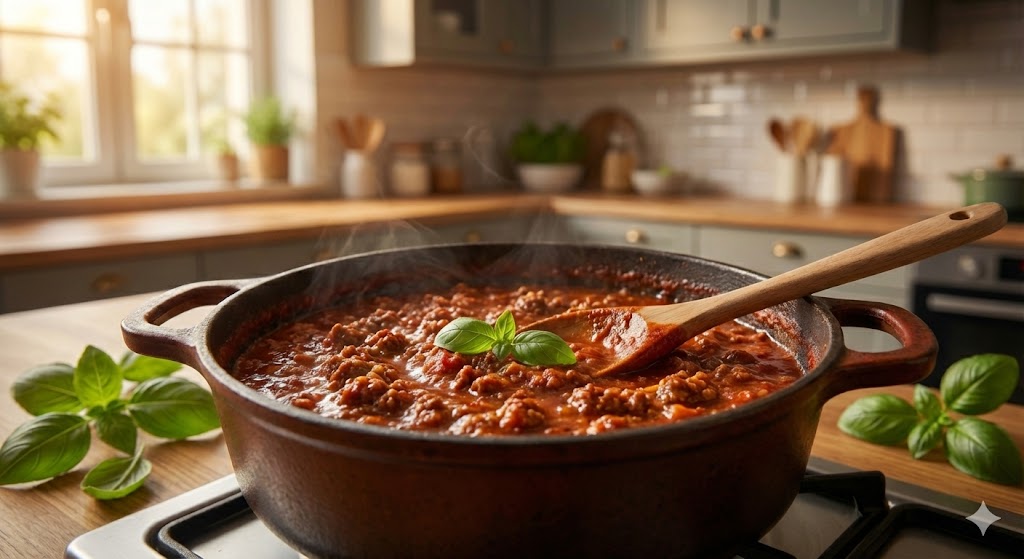
A truly great Lasagne begins with an exceptional ragù. Sauté aromatic vegetables, brown your chosen ground meats (traditionally beef, or a mix with pork/veal), then simmer gently for hours with tomatoes, wine, and herbs, allowing the flavours to meld into a rich, deep sauce that forms the heart of your dish.
2. Crafting Silky Béchamel
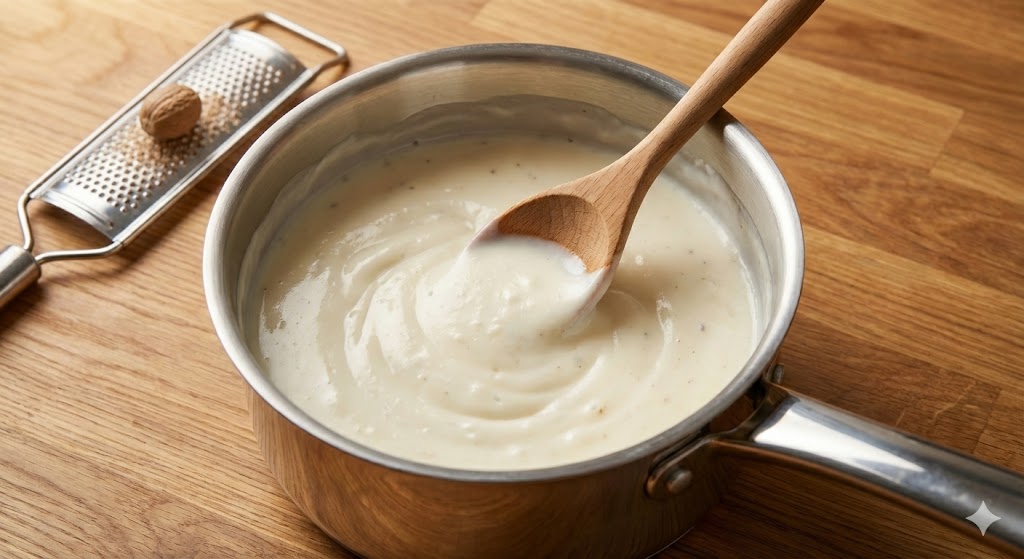
The béchamel is the creamy binder that holds your lasagne together. Melt butter, whisk in flour to create a pale roux, then gradually add warm whole milk, stirring constantly until thick, smooth, and utterly lump-free. Season well with nutmeg and white pepper for that authentic, subtle warmth.
3. The Art of Layering
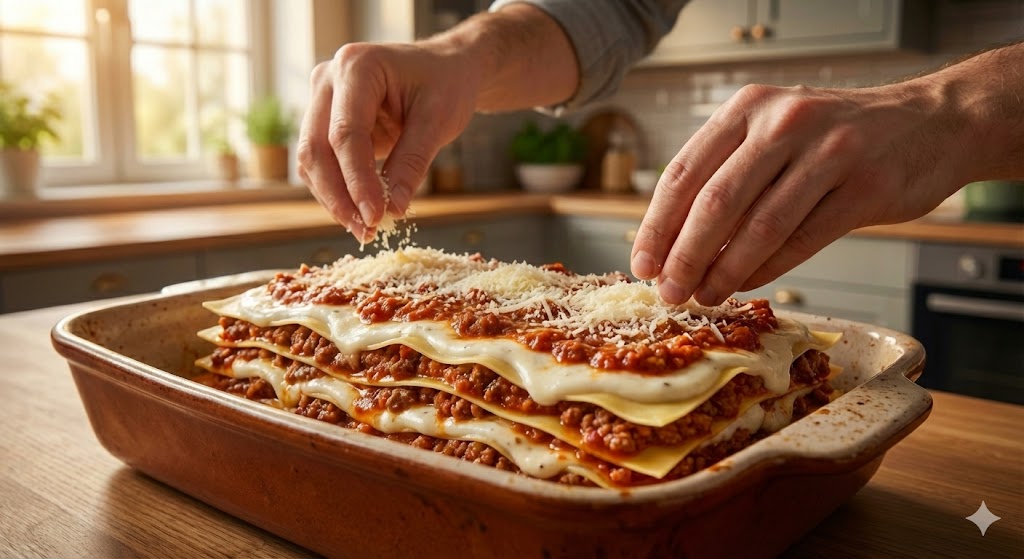
Assembly is where the magic happens. Begin with a thin layer of béchamel, then pasta, ragù, béchamel, and a generous sprinkle of Parmesan. Repeat this sequence meticulously, ensuring each layer is even and well-distributed, ending with a decadent blanket of cheese for a golden, bubbly top.
Chef Tips
- Simmer Your Ragù Longer: For truly profound depth of flavour, allow your ragù to simmer for a minimum of 2-3 hours, or even longer. The low and slow cooking tenderizes the meat and intensifies the sauce’s complexity.
- Don’t Overcook Pasta Sheets: If using fresh pasta, you might not need to pre-boil. If using dried sheets, cook them only al dente – they will continue to cook in the oven, absorbing the rich sauces and becoming perfectly tender.
- Rest Before Slicing: This is crucial! Let your baked lasagne rest for at least 15-20 minutes after taking it out of the oven. This allows the layers to set and prevents a messy collapse when you serve.
- Nutmeg in Béchamel is Key: A pinch of freshly grated nutmeg in your béchamel sauce is not optional; it adds a subtle warmth and aromatic depth that elevates the entire dish, harmonizing beautifully with the other rich flavours.
Frequently Asked Questions
Can I make Lasagne ahead of time?
Absolutely! Lasagne is an excellent make-ahead dish. You can assemble it a day in advance, cover it tightly with cling film and foil, and refrigerate. When ready to bake, allow it to come closer to room temperature for about 30-60 minutes before placing in the oven, and you might need to add an extra 10-15 minutes to the overall baking time.
What’s the secret to a non-soggy Lasagne?
Several factors contribute. First, ensure your ragù isn’t too liquidy – it should be thick and rich. Second, don’t overcook your pasta sheets beforehand; they will absorb moisture during baking. Third, the béchamel acts as a binder; using just the right amount helps create a stable, creamy structure. Finally, letting it rest after baking is crucial for the layers to set.
The Quintessential Lasagne: A Premium Recipe for Italian Perfection
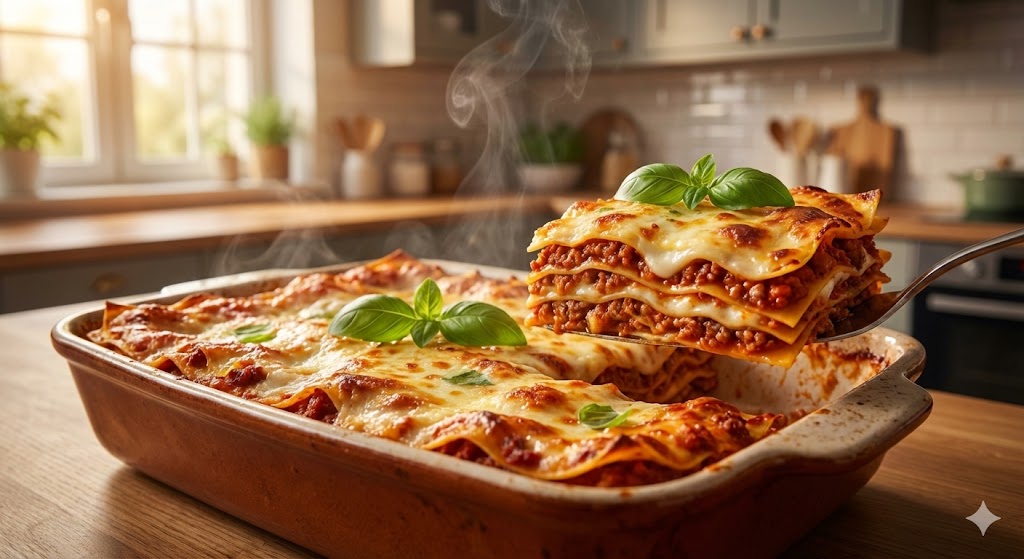
Ingredients
- **For the Ragù:**
- 1 tbsp olive oil
- 1 large onion, finely chopped
- 2 carrots, finely chopped
- 2 celery stalks, finely chopped
- 500g ground beef (or mixed beef/pork)
- 150g pancetta, diced (optional, but highly recommended)
- 150ml dry red wine
- 800g canned crushed tomatoes (Passata is also suitable)
- 100ml beef broth or water
- 2 bay leaves
- Salt and freshly ground black pepper to taste
- **For the Béchamel:**
- 100g unsalted butter
- 100g all-purpose flour
- 1 litre whole milk, warmed
- Pinch of freshly grated nutmeg
- Salt and white pepper to taste
- **For Assembly:**
- Approx. 12-16 fresh lasagna sheets (or no-boil dried sheets)
- 200g freshly grated Parmesan cheese
- 200g fresh mozzarella, shredded (optional, for extra gooeyness)